Leaseholder
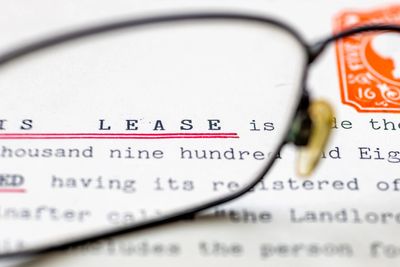
A leaseholder is someone who holds a long-term property lease, meaning they have the right to use and occupy a property for a fixed period (e.g., 99 or 125 years) but do not own the land it's on. This arrangement is governed by a legal contract called a lease, which outlines the leaseholder's rights and responsibilities and is agreed upon with the freeholder (landlord).
Key aspects of being a leaseholder
Leasehold vs. Freehold:
Unlike owning a freehold property, which includes perpetual ownership of the land, a leasehold means your right to the property is time-limited. When the lease expires, ownership typically returns to the freeholder unless the lease is extended.
Legal agreement:
The lease is a legally binding contract that details what the leaseholder can and cannot do, such as getting permission for pets or making external alterations.
Rights and responsibilities:
The lease document outlines both the leaseholder's rights (e.g., to use common areas) and their obligations (e.g., paying ground rent).
Freeholder's role:
The freeholder owns the property's land and is the landlord to the leaseholder.
Common for flats:
Leasehold is the most common form of ownership for flats in many areas, though some houses can also be leasehold.